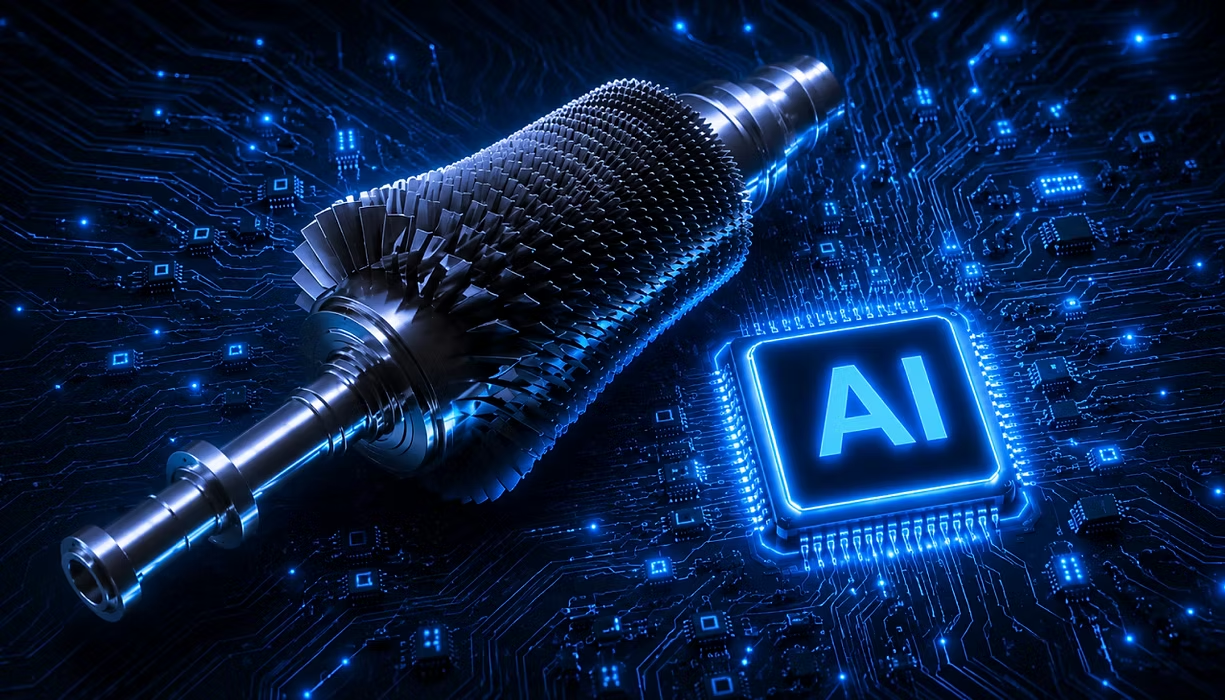
Artificial intelligence has become one of the largest new consumers of electricity worldwide — and the effect on the turbine market is already visible.
The data centers that power AI consume as much electricity as entire cities, and demand continues to climb. Data center electricity consumption grew 17% in 2025, global demand is projected to reach 1000 TWh by the end of 2026, and it is expected to double by 2030.
This surge is driving renewed demand for gas turbines. Unlike solar and wind, gas turbines deliver the constant, controllable output that AI workloads require — reliable generation around the clock, fast response to peak loads, and integration into hybrid systems alongside renewables and battery storage. Turbine orders rose 70% in 2025 as a result.
But supply cannot keep pace with demand. The wait time for a new turbine has stretched to 5–7 years, and leading manufacturers are booked through 2030. For operators facing rising load today, waiting half a decade for new equipment is rarely an option.
Modernization offers a practical alternative. Existing turbines can be upgraded, adapted to new operating conditions, and returned to service faster and more cost-effectively than purchasing new units.
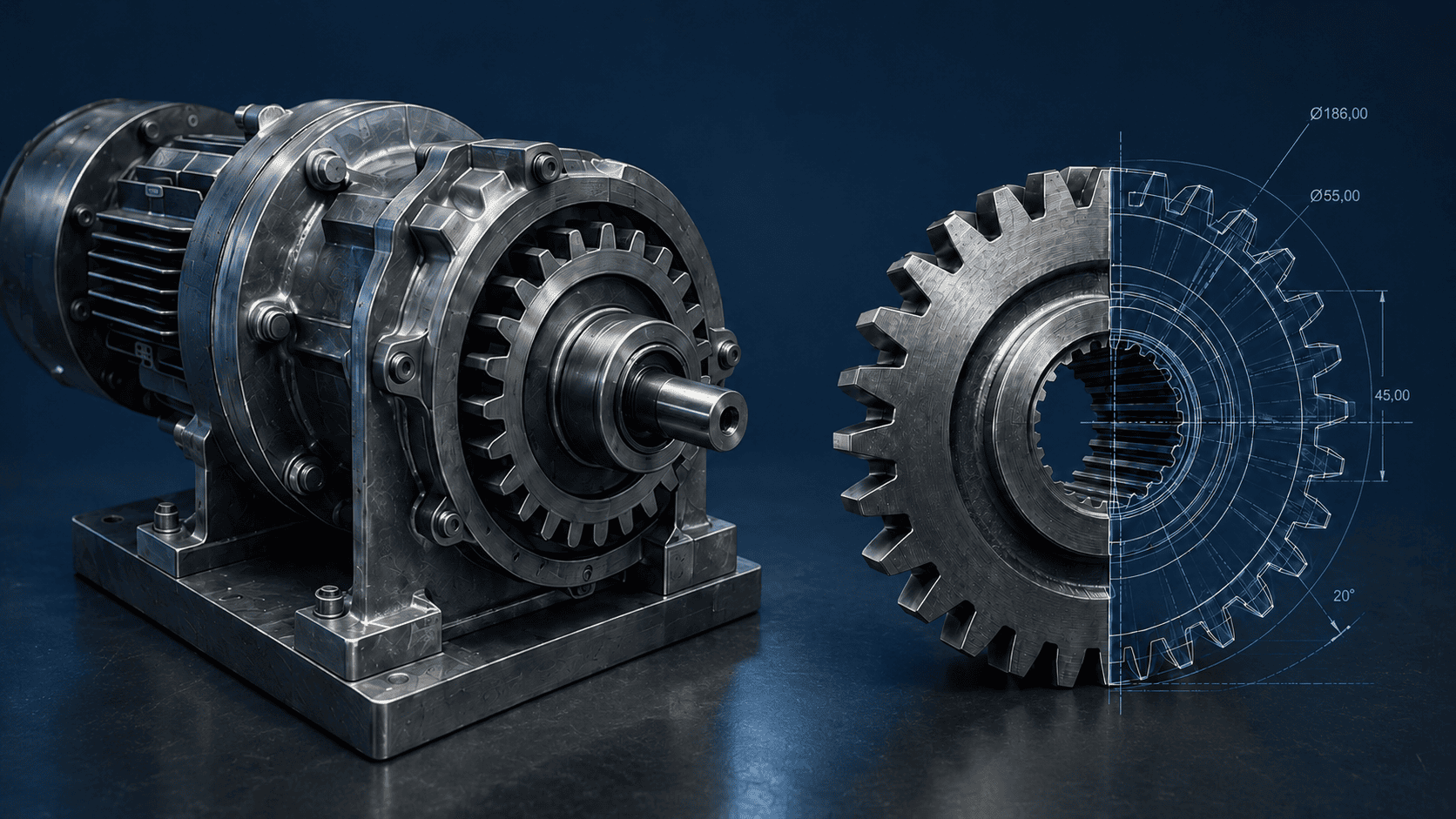
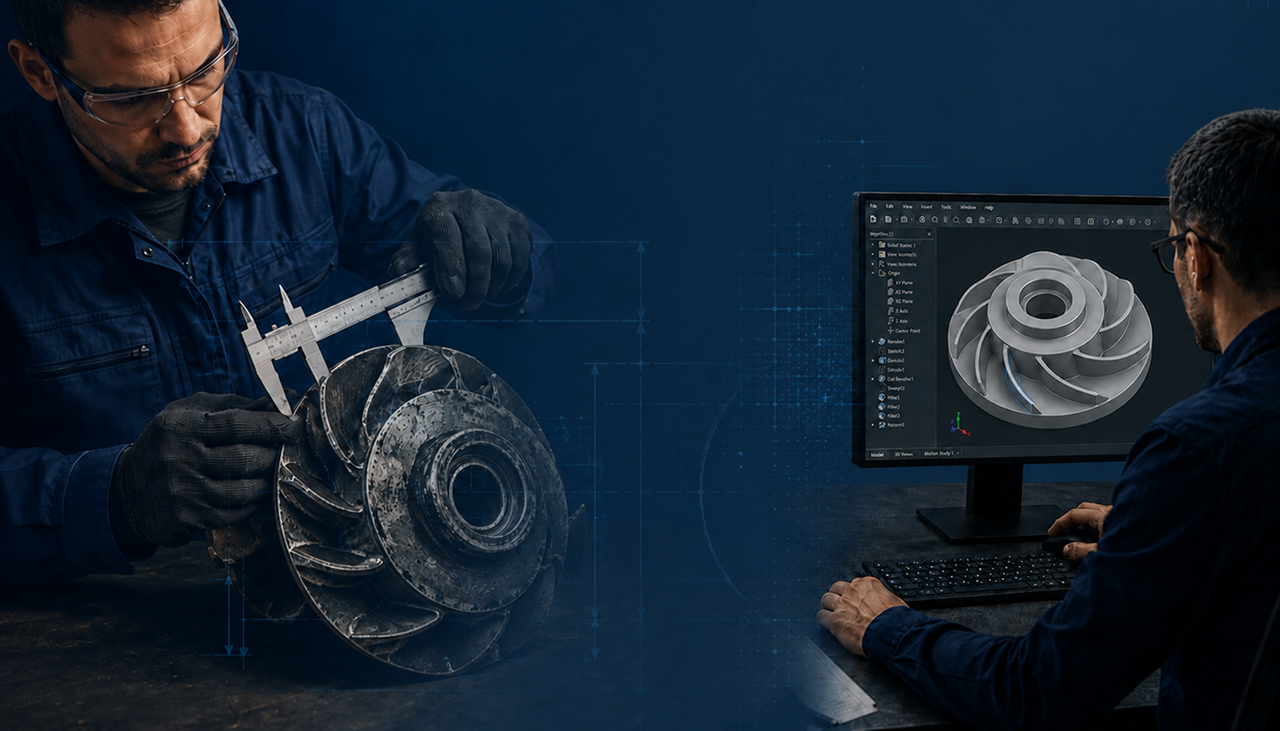
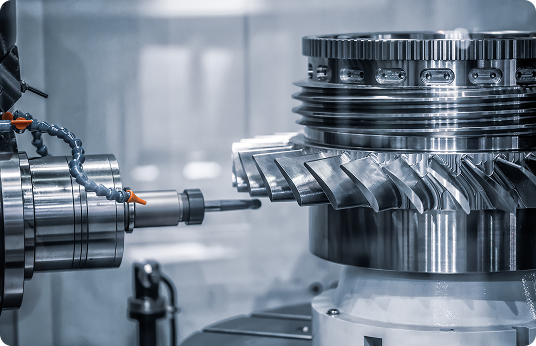
This is the core of what Rotors Tech does: spare parts manufacturing for operating turbines, reverse engineering of components for new operating modes, and engineering adaptation of equipment for modern energy systems. As demand accelerates and lead times grow, extending the life of existing assets becomes not just a cost decision, but a strategic one.
Looking for a reliable partner to extend the life of your turbines? Contact us: info@rotors.tech · +421 948 857 031
Sources: IEA, Gartner, Lawrence Berkeley National Laboratory, Turbomachinery Magazine (2026)