In 2026, energy companies are increasingly choosing to modernize existing turbines instead of buying new equipment. The driver is a combination of economics and global market reality: a new turbine takes longer to pay back, costs more, and is delivered 5–7 years after order. Modernization brings equipment back to operation in months while saving up to 42% on capital expenditure.
Why the market is returning to modernization
Order backlog for new turbines has hit historic highs
According to Utility Dive, gas turbine order backlog reached 100 GW in the first quarter of 2026. The forecast points to 110 GW by year-end. Production slots at the world’s largest manufacturers are booked 5–7 years ahead.
This means that an operator deciding today to order a new turbine will not receive it before 2031.
The cost of new units has risen 66% in two years
According to BloombergNEF, the cost of building a new combined-cycle gas turbine (CCGT) plant has grown from $1,500 to $2,157 per kW over the 2023–2025 period. The drivers are rising equipment prices, extended delivery times, and an overheated global supplier chain.
With CAPEX for new equipment rising faster than inflation, operators are rethinking the traditional replacement model.
The economics of turbine modernization
Modernizing existing turbines gives operators three key advantages:
- Capital expenditure savings of up to 42%. Refurbishing a turbine with replacement of key components costs nearly half the price of buying a new unit of comparable capacity.
- Payback in 2–4 years. According to Reflowx and industry reports, a typical retrofit project pays back significantly faster than a new installation, thanks to rapid return of equipment to operation.
- Timelines independent of OEM queues. Modernization is carried out by independent engineering partners and does not require waiting for OEM production slots. Return to operation — months, not years.
What this means for energy companies
In 2026, modernization is not a compromise — it’s a deliberate choice. Companies that compare the total cost of ownership (TCO) of a new turbine versus a retrofit increasingly opt for the second option, especially for equipment with residual service life.
However, modernization requires a partner with engineering expertise — one capable of:
- conducting a technical audit of the existing turbine
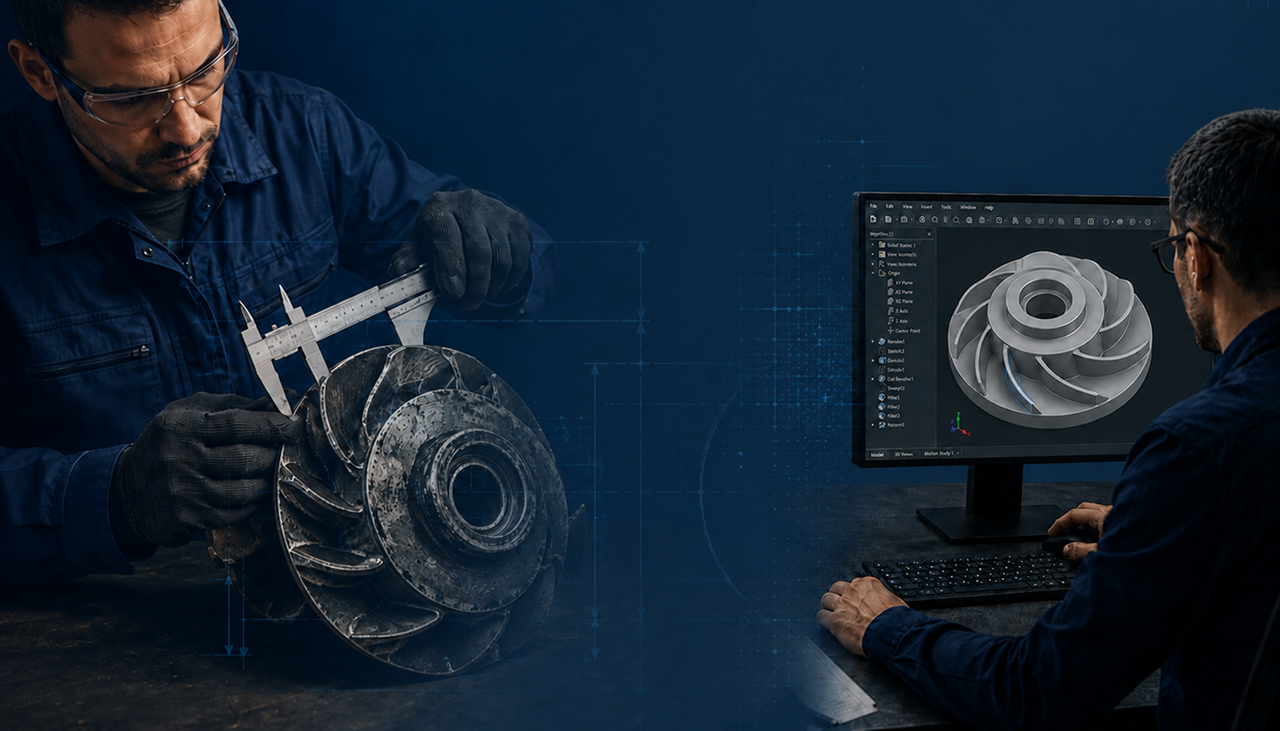
- developing a solution for the specific task (including reverse engineering)
- replacing components with quality guarantees
- ensuring legal and logistical transparency of delivery
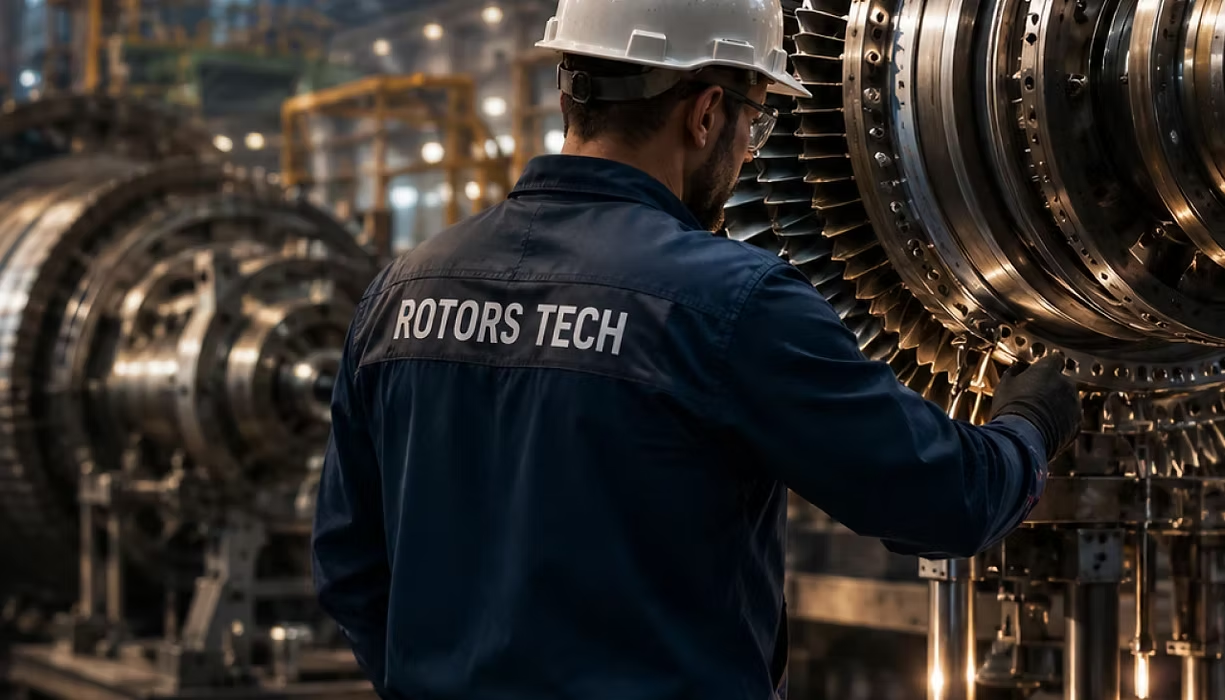
Rotors Tech — your engineering partner for turbine modernization
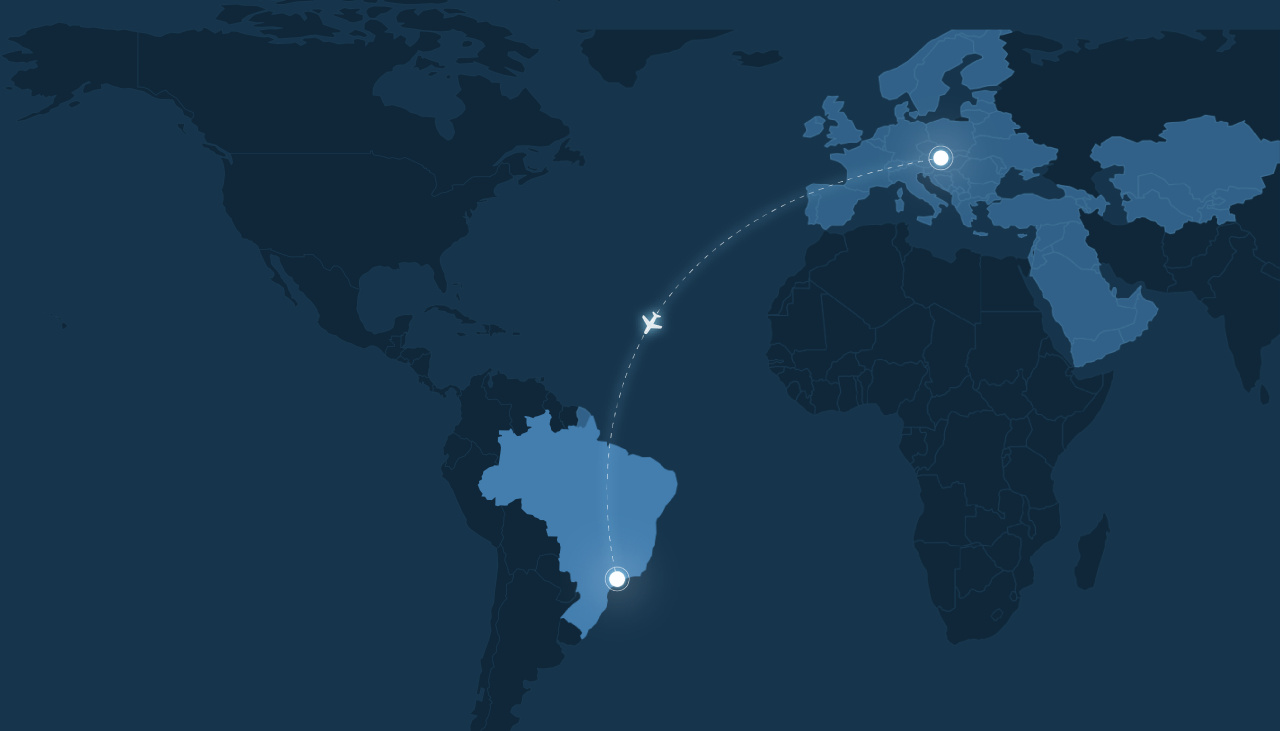
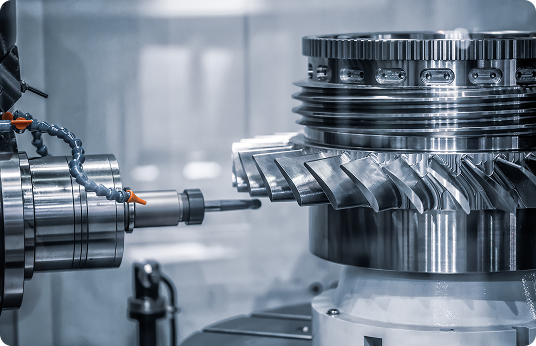
Together with PTMZ, Rotors Tech manufactures spare parts for steam and gas turbines, performs reverse engineering from a sample or drawing, and delivers solutions from EU jurisdiction (Slovakia).
Our expertise in numbers:
- 20+ years of experience in the industrial turbine segment
- 324 deliveries to 29 countries
- Production and engineering base of PTMZ
- Every project is an engineering solution proven on real equipment
Contact us for a technical consultation
Our engineers will recommend the optimal solution for your equipment.
📞 +421 948 857 031
Sources: Utility Dive (2026), BloombergNEF (2026), Reflowx (2026).