Why a rotor and stator only work as a set
A new rotor doesn’t always bring the pressure back. Here’s where the seal inside a progressing cavity pump actually comes from — and what happens when only half the pair is replaced.
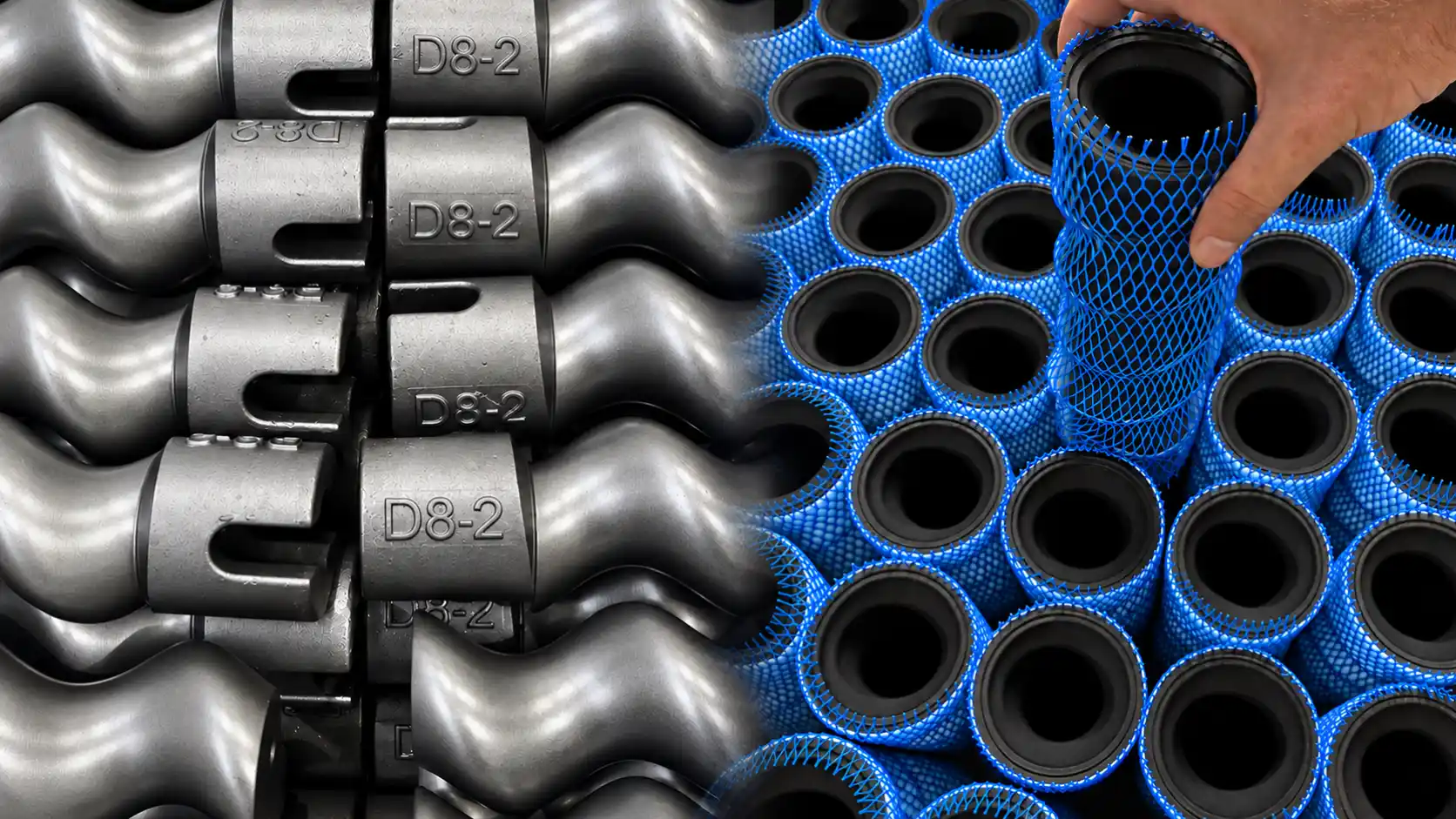
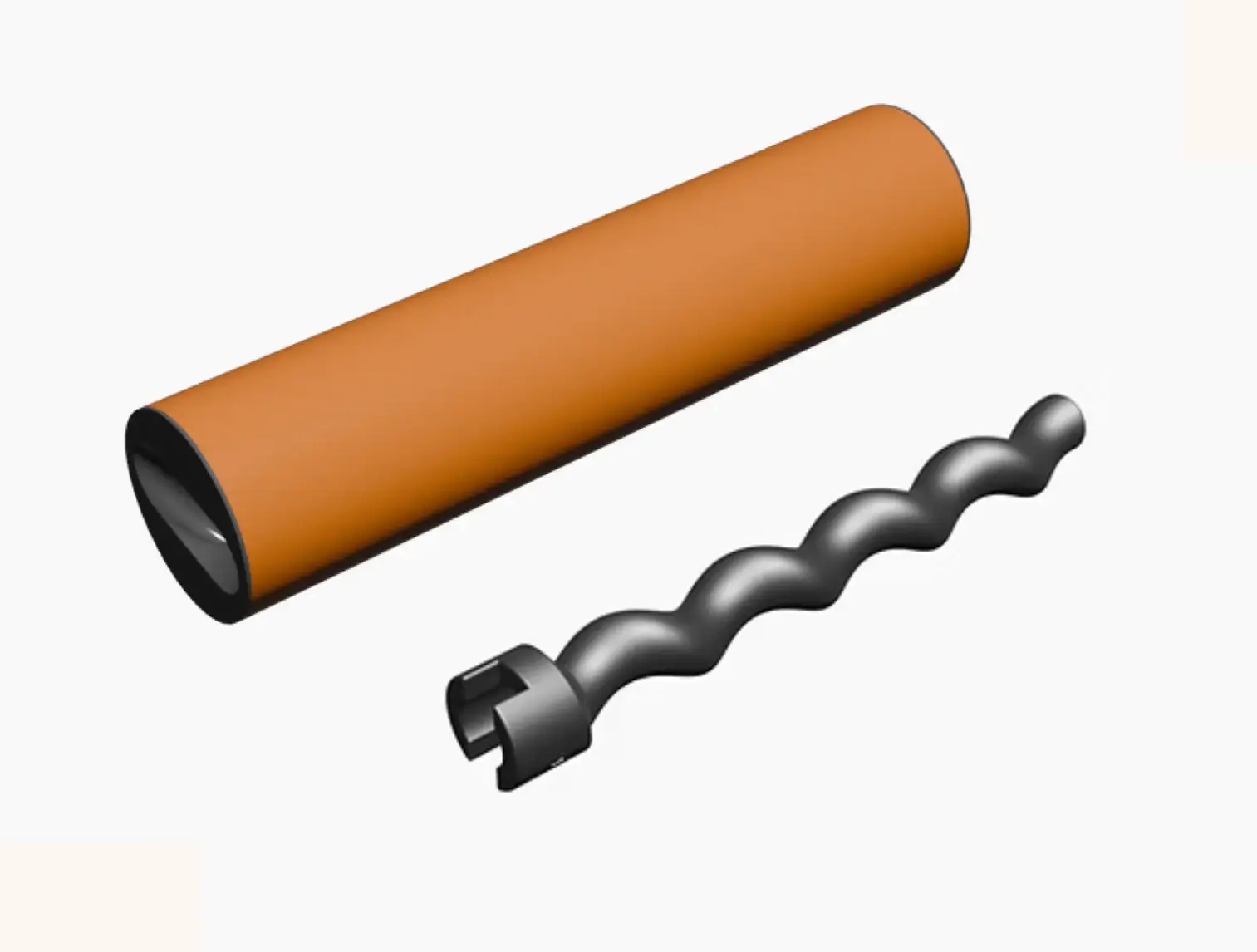
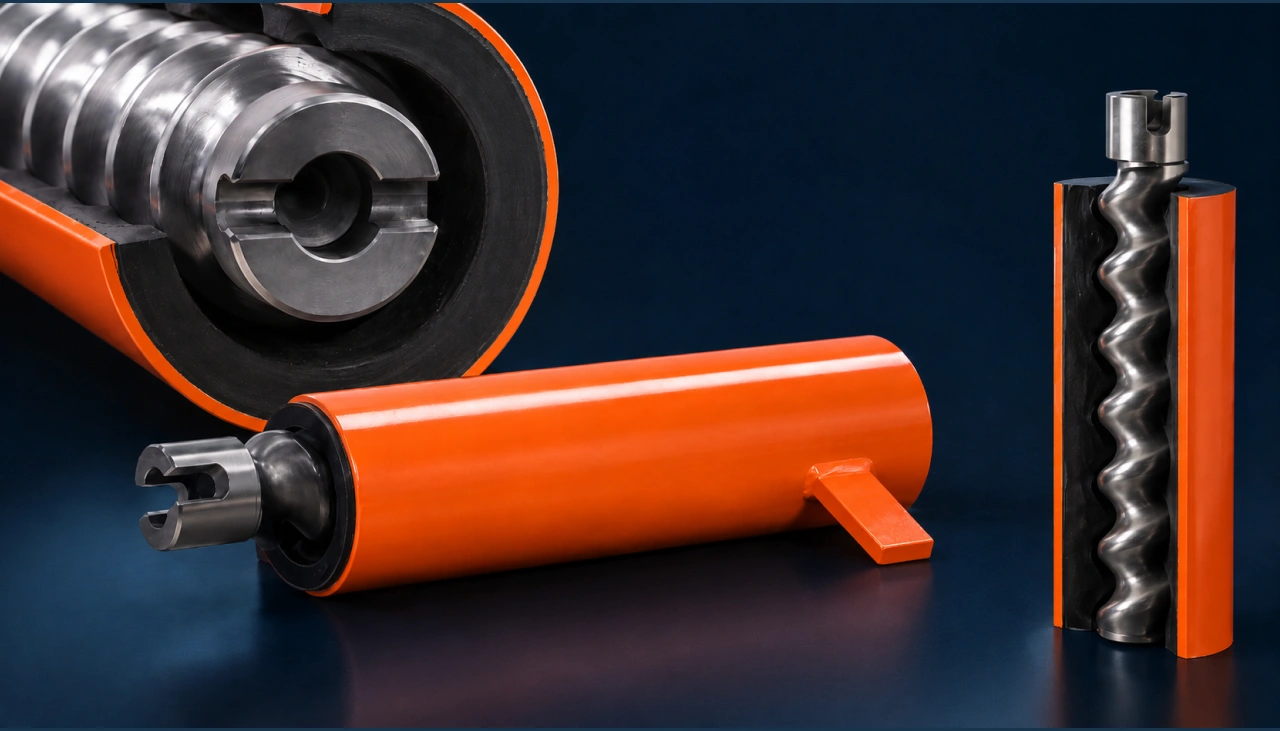
Neither part is sealed on its own. The rotor runs slightly oversized inside the rubber bore, so the elastomer stays pre-compressed along the line of contact, and that interference is what holds pressure. Change one side of it and you change the whole fit.
A worn pair often still works
As the pair runs, the rotor slims down and the rubber wears back at the same time, so the two surfaces keep matching and the seal holds — just at lower pressure. The pair has effectively worn in to each other.
This is why a machine with visibly worn parts can still deliver a usable output, and why falling pressure, not the look of the components, is the reliable wear indicator.
What goes wrong with one new part
Drop a brand-new rotor into a worn stator and the rubber has already hardened and lost material, so it can’t grip a fresh rotor the way it once did. The interference is off, the seal stays leaky, and pressure often doesn’t return the way you expected.
The reverse tells the same story: a new stator on a thinned rotor leaves too little contact, so material slips backward between chambers and output stays low. In both cases the new component is fine on its own — it simply has nothing correctly matched to work against.
Geometry matters just as much. Diameter, eccentricity and the number of pressure stages define the pair as one system, and a pair rated for a given pressure only reaches it when both halves belong to the same specification.
When replacing a single part makes sense
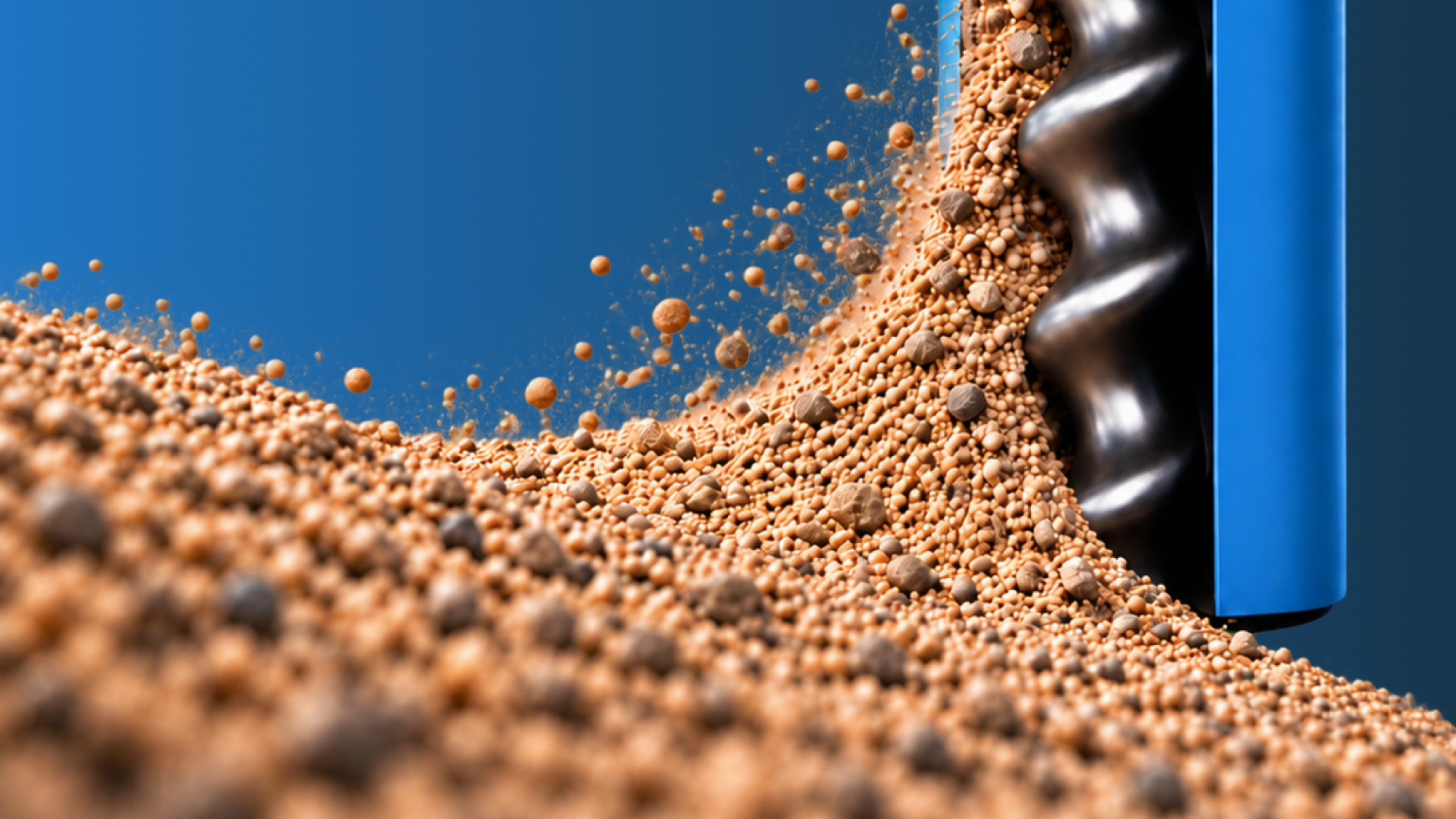
If one part fails early on its own — a rotor nicked by a stray aggregate while the stator is still almost new — replacing the single part makes sense. That was mechanical damage, not service life.
But once a pair has run a full service life, replacing both is what brings back rated pressure and predictable output. The practical test is simple: sudden failure after a short run points to damage, while a gradual pressure drop over a full service life points to the pair as a whole.
Need help choosing?
Not sure what you need in your case? Tell us the machine model, the mix and the run time and we’ll help you work it out.
info@rotors.tech · WhatsApp +421 948 893 045