Not every flat roof requires the same solution. New construction, renovation without demolition, complex detailing areas, or full-scale reconstruction — each project has its own structural and operational requirements.
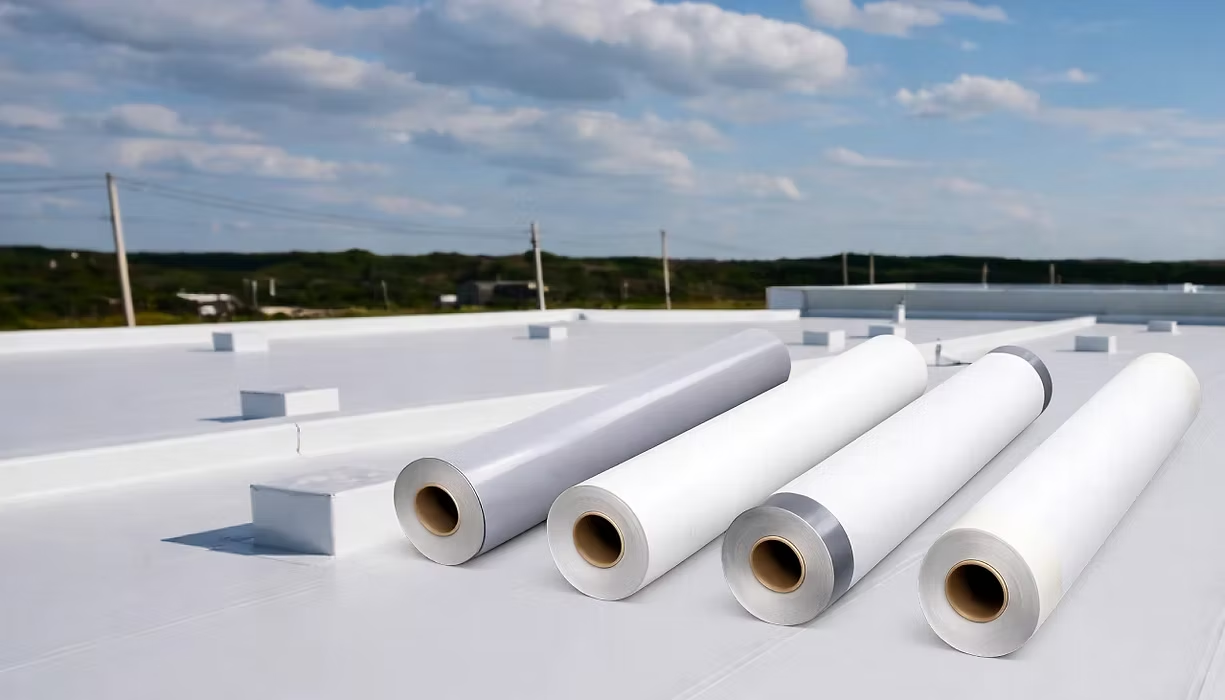
At Rotors Tech, we provide four PVC membrane systems designed to meet specific technical conditions, including wind loads, structural calculations, substrate type, and building use.
1. Reinforced PVC Membrane
A universal solution for new flat roofs and full-scale reconstruction projects.
Polyester reinforcement ensures:
- high tensile strength
- dimensional stability
- resistance to mechanical stress and wind uplift
Recommended for projects where structural reliability and long-term performance are critical.
2. Non-Reinforced PVC Membrane
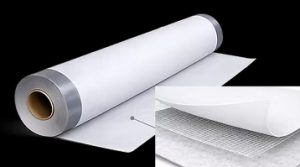
A project-based solution for areas requiring maximum flexibility.
The homogeneous PVC structure (without reinforcement) provides:
- high elongation capacity
- adaptability in complex detailing zones
- reliable performance around joints and penetrations
Final selection should always be confirmed based on structural and wind load calculations.
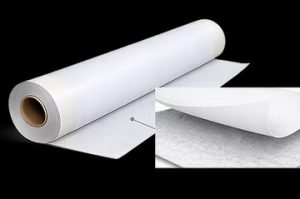
3. Reinforced PVC Membrane with Fleece Backing
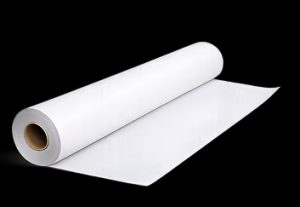
Designed for renovation projects without removing the existing roofing layer (including aged bitumen systems).
The fleece backing functions as:
- a separation layer
- a protective cushion
- a compatibility interface between the new membrane and the existing substrate
An optimal solution for industrial and commercial facilities where operational downtime must be minimized.
4. Composite Renovation System (No Demolition)
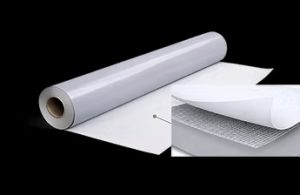
A system-based encapsulation approach built around the fleece-backed membrane.
Instead of full roof demolition, a new waterproofing layer is installed over the existing roofing system using mechanical or adhesive fixation combined with hot-air welded seams.
This solution reduces:
- dismantling costs
- project timelines
- operational disruption
Selecting the appropriate PVC membrane should always be based on engineering assessment, structural conditions, wind loads, and building function.
If you require technical consultation or assistance with membrane selection, our team is ready to support your project.
Contact Rotors Tech:
📞 +421 948 431 890