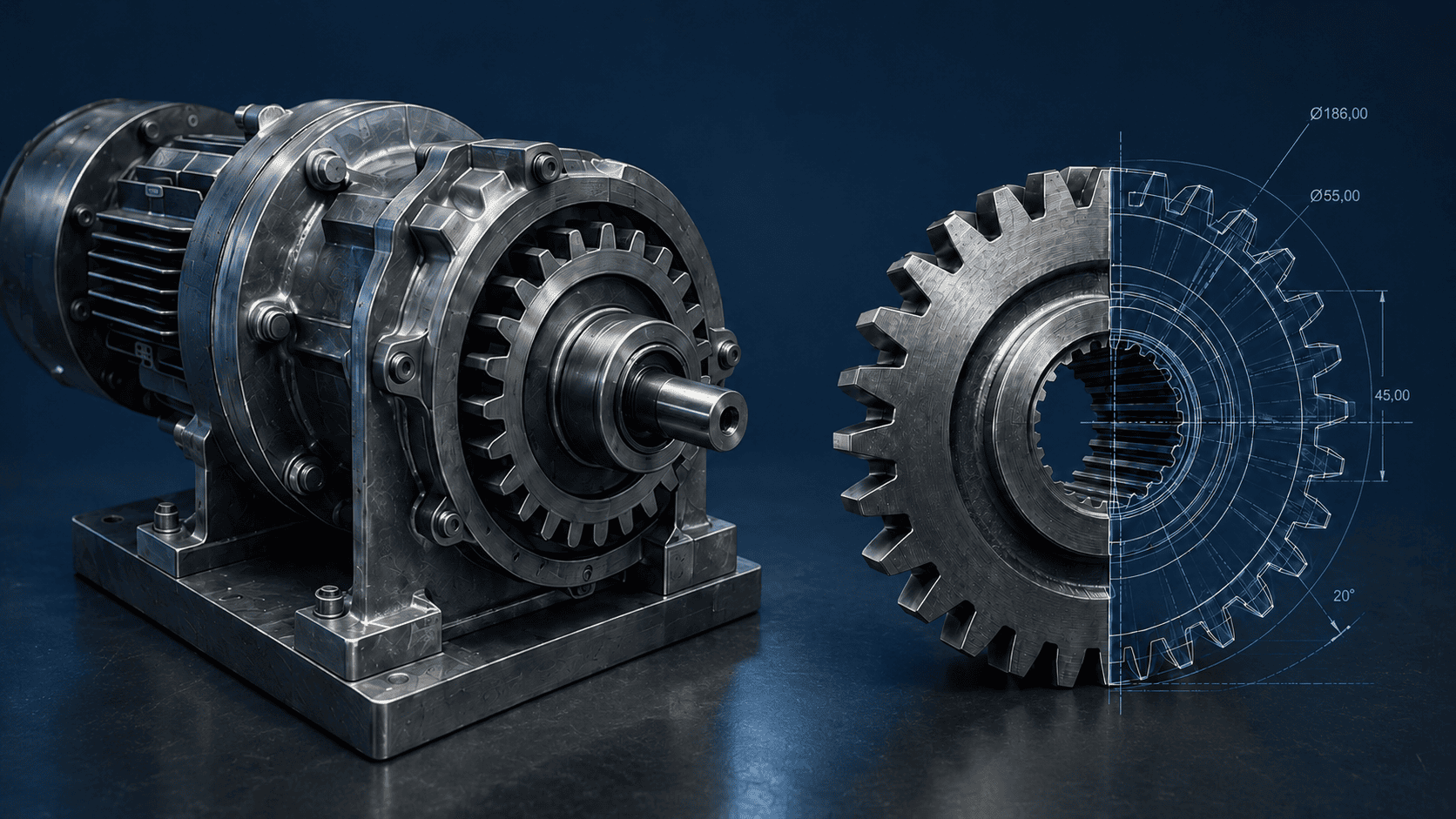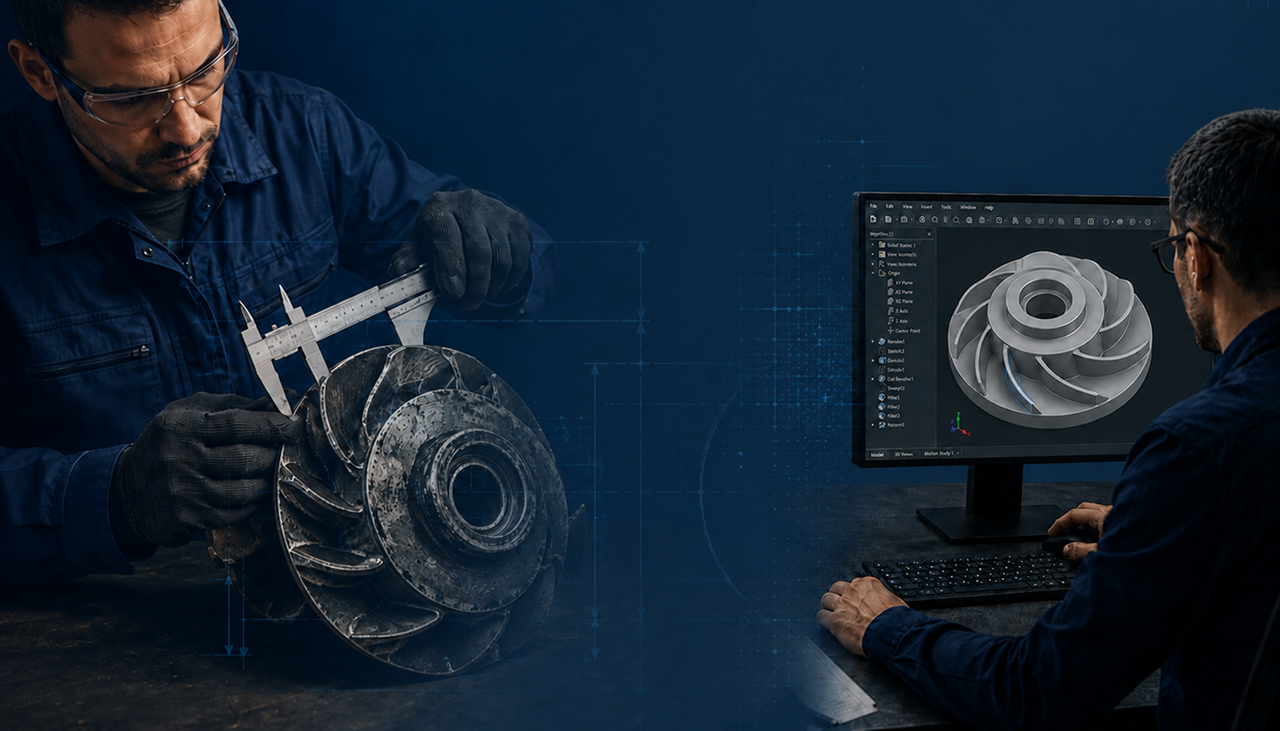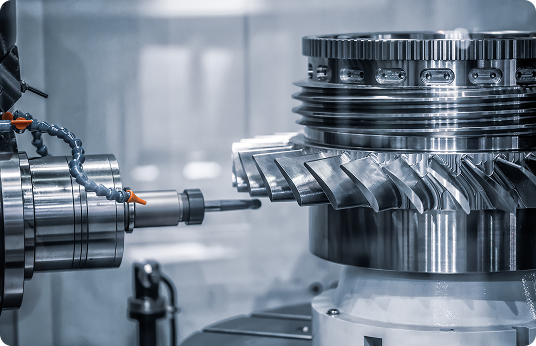
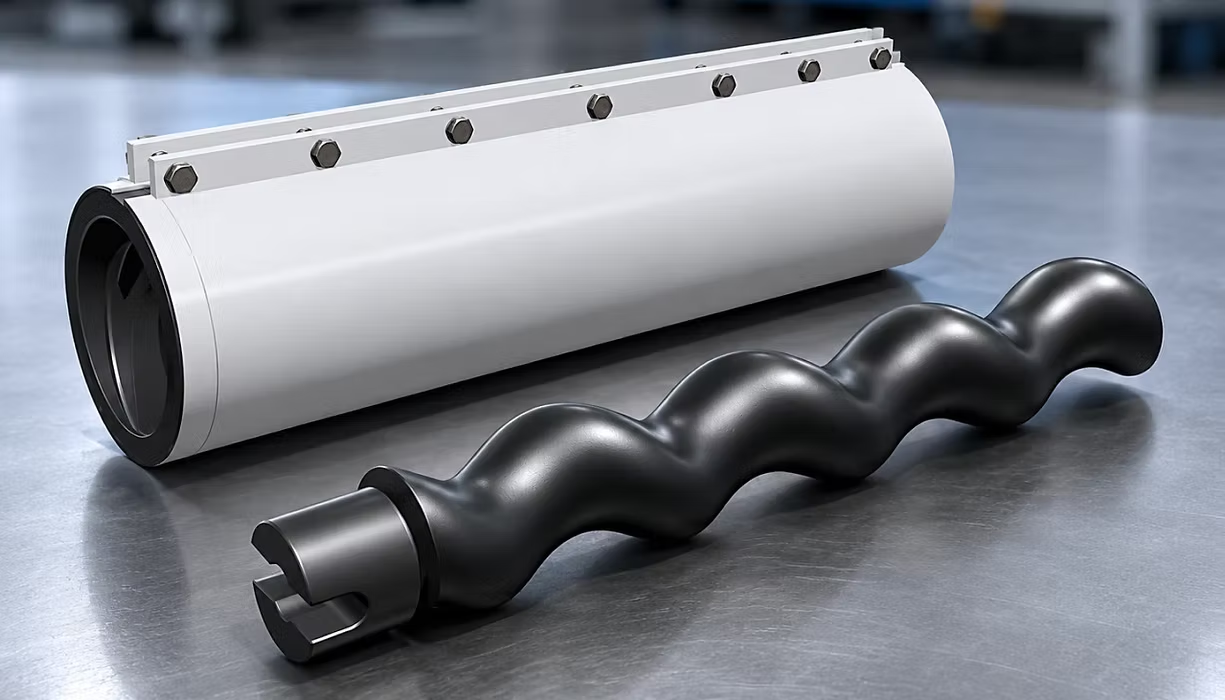
Correct selection of a rotor–stator pair directly affects equipment performance, service life, and process stability.Mistakes at the selection stage often lead to premature wear, unstable pressure, increased energy consumption, and unplanned downtime.
Below are the key technical criteria that must be considered when selecting a rotor–stator pair for plastering and pumping equipment.
Why Correct Rotor–Stator Selection Is Critical
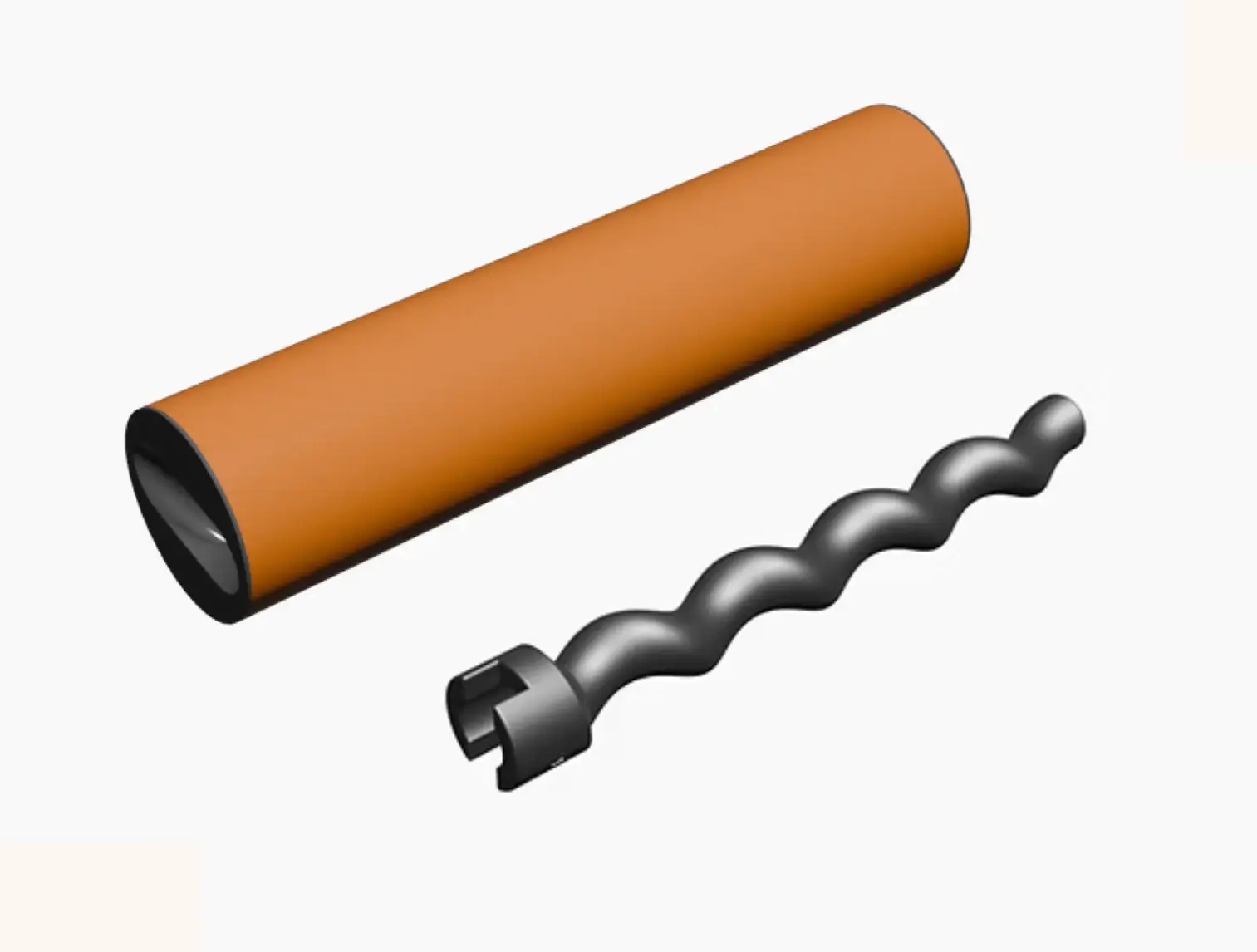
The rotor–stator pair is the core working element of plastering machines and progressive cavity pumps. Its design and material properties determine:
- material flow stability;
- working pressure;
- wear rate;
- overall equipment reliability.
A properly selected rotor–stator pair ensures predictable operation and extends the service life of the entire system.
Key Criteria for Selecting a Rotor–Stator Pair
1. Station Model and Compatibility
The first and most important step is ensuring compatibility with the specific station or pump model. Key aspects include:
- mechanical dimensions;
- rotor and stator geometry;
- mounting interfaces and connection type.
Even minor deviations in geometry or tolerances can cause accelerated wear, vibration, and loss of efficiency.
2. Material Characteristics
The properties of the pumped material have a direct impact on both performance and service life.
When selecting a rotor–stator pair, consider:
- type of mix: gypsum, cement, or special compounds;
- grain size and particle distribution;
- level of abrasiveness.
Highly abrasive materials require rotor–stator pairs designed for increased wear resistance.
3. Operating Parameters
The rotor–stator pair must match actual operating conditions, not only nominal specifications.
Key parameters include:
- required capacity (output);
- working pressure;
- operating mode (continuous or intermittent).
Operating outside the optimal range significantly reduces service life and operational stability.
4. Application Priorities
There is no universal rotor–stator solution for all applications. Selection should be based on the main operational priorities:
- maximum service life;
- maximum performance;
- cost optimization.
The optimal balance depends on the specific task and operating conditions.
5. Wear Indicators and Replacement Criteria
Certain operational symptoms indicate that a rotor–stator pair has reached the end of its service life:
- flow pulsation;
- reduced output;
- unstable or fluctuating pressure.
Timely replacement helps prevent damage to the drive unit and other system components.
Engineering-Based Rotor–Stator Selection by Rotors Tech
Rotors Tech provides application-specific rotor–stator selection based on:
- station and pump model;
- material properties;
- operating pressure and capacity;
- customer priorities and operating strategy.
Our engineering approach ensures technically justified solutions that improve reliability and reduce operating costs.
How to Get the Right Rotor–Stator Pair
To receive an accurate selection, please provide:
- station model;
- type of material;
- required capacity and working pressure.
Our engineers will select the optimal rotor–stator pair for your equipment and operating conditions.
📲 WhatsApp: +421 948 893 045
📬 Email: info@rotors.tech